
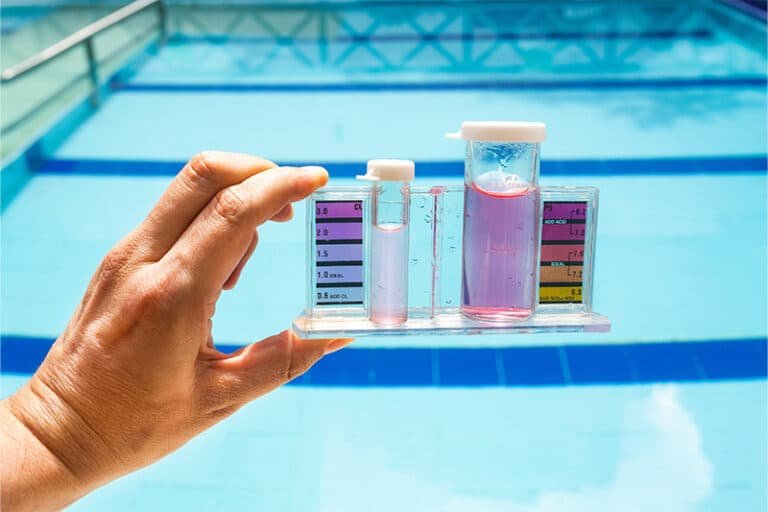
If you manage a commercial pool in Denver or anywhere along Colorado’s Front Range, you already know that algae doesn’t care about your schedule. It shows up uninvited, turns your water cloudy or green, and can shut down operations faster than you’d like. The good news? Choosing the right algaecide for your commercial pool doesn’t have to be complicated once you understand your options.
At The Aqueous Solution, we’ve worked with commercial pool operators across Denver, Colorado Springs, Fort Collins, and the surrounding metro area for years. We’ve seen just about every algae problem you can imagine, from minor green blooms to stubborn black algae that seems to laugh at standard treatments. This guide breaks down what you need to know about algaecides so you can make informed decisions for your facility.
Key Takeaways
- Choosing the right algaecide for your commercial pool starts with identifying the algae type—green algae responds to most treatments, while black and yellow algae require copper-based or high-strength polyquat products.
- Quaternary ammonium compounds (Quats) are the most budget-friendly option but can cause foaming, making them best suited for pools with advanced filtration systems.
- Copper-based algaecides are highly effective against stubborn algae but require careful pH management (7.2–7.6) to prevent surface staining.
- Polyquat algaecides are non-foaming and non-staining, making them the top choice for commercial facilities prioritizing water clarity and surface protection.
- Prevention is the most cost-effective strategy—maintain chlorine levels between 2–4 ppm, balance water chemistry, and apply a small preventive dose of algaecide weekly.
- Always brush stubborn algae before treatment and run your circulation system for at least 24 hours to ensure even distribution of the algaecide.
Understanding Algae Types in Commercial Pools
Before you can pick the right algaecide, you need to know what you’re dealing with. Not all algae responds to the same treatment, and using the wrong product wastes money while the problem gets worse.
Green Algae
Green algae is the most common type you’ll encounter in commercial pools throughout Denver and the metro area. It typically shows up as a greenish tint in the water or as slippery patches on pool walls and floors. The good news is that green algae is usually the easiest to treat. It responds well to most standard algaecides when caught early.
You’ll often notice green algae first in areas with poor circulation, like corners, steps, or behind ladders. Colorado’s intense sunshine can actually accelerate green algae growth during summer months, especially in outdoor facilities. If your chlorine levels drop even briefly during a busy weekend, green algae can take hold surprisingly fast.
Yellow and Black Algae
Yellow algae (sometimes called mustard algae) and black algae are a different story entirely. These strains are more stubborn and require stronger treatment approaches.
Yellow algae appears as yellowish or brownish patches, often in shaded areas of the pool. It’s chlorine-resistant and tends to come back repeatedly if not treated properly the first time.
Black algae is the toughest opponent you’ll face. It’s not technically algae at all but a form of cyanobacteria with a protective outer layer that makes it incredibly resilient. Black algae roots itself into pool surfaces, particularly plaster and concrete, and requires aggressive treatment with specialized algaecides. Standard products simply won’t penetrate its defenses.
For commercial facilities in Colorado Springs, Fort Collins, or anywhere in the region, dealing with black algae quickly is essential. The longer it stays, the deeper it penetrates, and the harder it becomes to eliminate completely.
Types of Algaecides and How They Work
There are three main categories of algaecides used in commercial pool applications. Each works differently and has its own advantages and limitations.
Quaternary Ammonium Compounds
Quaternary ammonium compounds, commonly called “Quats,” are the most economical option on the market. They work as microbial disinfectants by attaching to negatively charged algae cells. Once attached, they dissolve the protective outer membranes of the algae, which allows chlorine to penetrate and kill the organism.
Quats are a solid choice for routine maintenance and prevention in commercial pools. But, they do have one notable drawback: they can cause foaming if you use too much. This makes them better suited for facilities with advanced filtration systems that can handle the extra suds.
For many Denver-area commercial pools on a tight budget, Quats provide good value as part of a regular maintenance program. Just be careful with dosing.
Copper-Based Algaecides
Copper-based algaecides are the heavy hitters when it comes to tough algae strains. They work by breaking down algae cell walls and preventing the organisms from multiplying. If you’re battling black algae or mustard algae, copper-based products are often your best bet.
There’s a catch, though. Copper can stain pool surfaces and cause water discoloration if your water chemistry isn’t properly balanced. This is especially true if your pH drifts too high. Proper pH maintenance between 7.2 and 7.6 is essential when using copper products.
We’ve seen more than a few commercial pools in the metro Denver area end up with blue or green staining on their plaster because someone dumped in copper algaecide without checking their water balance first. It’s fixable, but it’s a headache you don’t need.
Polyquat Algaecides
Polyquat algaecides are polymer-based compounds with long carbon chains. They’re non-foaming and non-staining, which makes them particularly attractive for commercial applications where water clarity and surface appearance matter.
Polyquats work by smothering algae cells through positive charge attachment. They’re about twice as effective as standard Quats and last longer in the water, though they do cost more upfront. For commercial facilities, polymer algaecides are often the superior choice for multi-season use because they protect sensitive surfaces and minimize maintenance complications.
If you operate a high-end facility or work with surfaces that stain easily, polyquats are worth the extra investment.
Key Factors to Consider for Commercial Applications
Choosing the right algaecide for your commercial pool comes down to a few key considerations:
Algae Type and Severity
Match your treatment to your problem. Green algae responds to most products, but black and yellow algae need copper-based or high-strength polyquat formulations.
Budget Constraints
Quats are cheapest but may require more frequent application. Polyquats cost more upfront but often save money over time through longer-lasting protection and fewer retreatments.
Pool Surface Materials
Fiberglass, vinyl, and light-colored plaster surfaces are more prone to staining from copper-based algaecides. Non-staining polymers are the safer choice for these applications.
Filtration Capabilities
If your facility has basic filtration, avoid Quats or use them sparingly to prevent foaming issues. Advanced filtration systems can handle standard Quats without problems.
Local Water Conditions
Denver’s water tends to be moderately hard, which can affect how certain algaecides perform. Facilities in areas like Littleton, Aurora, or Lakewood may need to adjust their approach based on local water chemistry.
At The Aqueous Solution, we help commercial pool operators across Colorado evaluate these factors and select products that fit their specific situation. There’s no one-size-fits-all answer, but there is a right answer for your facility.
Dosage and Application Best Practices
Getting the right algaecide is only half the battle. Proper dosage and application make the difference between success and a wasted treatment.
Follow Manufacturer Instructions
This sounds obvious, but it’s worth emphasizing. Algaecide dosing is calculated based on pool volume, and commercial pools vary widely in size. Under-dosing won’t solve your problem. Over-dosing can cause foaming, staining, or other complications.
Calculate Your Pool Volume Accurately
Many commercial pool operators use rough estimates for their pool volume, which leads to inconsistent treatment results. Take time to calculate your actual volume using the standard formulas for your pool shape.
Apply During Off-Peak Hours
For commercial facilities, timing matters. Apply algaecide during closed hours when possible to allow the product to circulate fully before swimmers return. Most algaecides need several hours of circulation to distribute evenly.
Brush Before Treatment
For stubborn algae like black algae, brush affected areas vigorously before applying algaecide. This breaks up the protective layer and allows the treatment to penetrate more effectively.
Run Your Pump
Keep your circulation system running for at least 24 hours after treatment to ensure even distribution throughout the pool.
Preventing Algae Growth Between Treatments
The best algae treatment is prevention. Maintaining proper water chemistry and regular maintenance habits will reduce your overall chemical consumption and keep your facility running smoothly.
Maintain Proper Chlorine Levels
Consistent chlorination is your first line of defense. For commercial pools, free chlorine should stay between 2-4 ppm. Don’t let levels drop, especially during high-use periods or hot weather.
Balance Your Water Chemistry
Keep pH between 7.2 and 7.6, and maintain proper alkalinity and calcium hardness. Balanced water helps your chlorine work more effectively and reduces the conditions that allow algae to thrive.
Improve Circulation
Dead spots in your pool are breeding grounds for algae. Make sure your return jets are positioned to eliminate stagnant areas, particularly in corners and around steps.
Regular Brushing
Brush walls, floors, and corners at least weekly. This disrupts any algae trying to establish itself and keeps surfaces clean.
Shock Treatments
Regular shock treatments help maintain oxidizer levels and kill any algae spores before they become visible blooms. Weekly shocking is standard practice for most commercial facilities.
Use Algaecide Preventively
Don’t wait for algae to appear. A small preventive dose of algaecide each week costs far less than treating a full-blown infestation.
Conclusion
Choosing the right algaecide for your commercial pool depends on the type of algae you’re facing, your budget, your pool surfaces, and your maintenance capabilities. Green algae responds to most standard treatments, while black and yellow algae require more aggressive copper-based or high-strength polyquat products. For most commercial facilities in Denver and throughout Colorado, non-foaming polyquat algaecides offer the best balance of effectiveness, surface protection, and long-term value.
Prevention remains your most cost-effective strategy. Maintaining proper water chemistry, consistent chlorination, and good circulation habits will keep algae problems to a minimum and reduce your overall chemical costs.
If you’re dealing with a stubborn algae problem or want help selecting the right products for your commercial pool, The Aqueous Solution is here to help. We serve commercial and residential pool owners throughout Denver, the Front Range, Colorado Springs, Fort Collins, and beyond. Reach out to our team today for expert guidance on algaecide selection, water treatment, and keeping your facility running at its best.
Frequently Asked Questions
What is the best algaecide for commercial pools?
For most commercial pools, non-foaming polyquat algaecides offer the best balance of effectiveness, surface protection, and long-term value. They’re non-staining and last longer in the water. However, for stubborn black or yellow algae, copper-based algaecides are often more effective at penetrating resistant strains.
How do I choose the right algaecide for black algae?
Black algae requires copper-based algaecides or high-strength polyquat formulations. Before treatment, vigorously brush affected areas to break up its protective outer layer. Standard algaecides won’t penetrate black algae’s defenses, so aggressive treatment with specialized products is essential for complete elimination.
Can algaecides stain my pool surfaces?
Yes, copper-based algaecides can stain pool surfaces, particularly fiberglass, vinyl, and light-colored plaster. This typically occurs when water chemistry is unbalanced or pH rises above 7.6. To prevent staining, use non-staining polyquat algaecides or ensure proper pH maintenance between 7.2 and 7.6 when using copper products.
What’s the difference between quat and polyquat algaecides?
Quaternary ammonium compounds (Quats) are economical but can cause foaming if overdosed. Polyquat algaecides are polymer-based, non-foaming, and non-staining—making them ideal for commercial pools. Polyquats are about twice as effective as standard Quats, last longer, and protect sensitive surfaces better despite higher upfront costs.
How often should I add algaecide to a commercial pool?
For prevention, add a small dose of algaecide weekly rather than waiting for visible algae growth. This preventive approach costs far less than treating a full infestation. Combine weekly algaecide applications with consistent chlorination (2-4 ppm), proper water chemistry, and regular shock treatments for optimal results.
Why does algae keep coming back in my pool after treatment?
Recurring algae usually indicates inadequate initial treatment, poor water chemistry, or circulation problems. Yellow and black algae are chlorine-resistant and require specialized algaecides. Ensure complete treatment by maintaining proper chlorine levels, balanced pH, eliminating dead spots in circulation, and brushing surfaces weekly to disrupt algae establishment.