
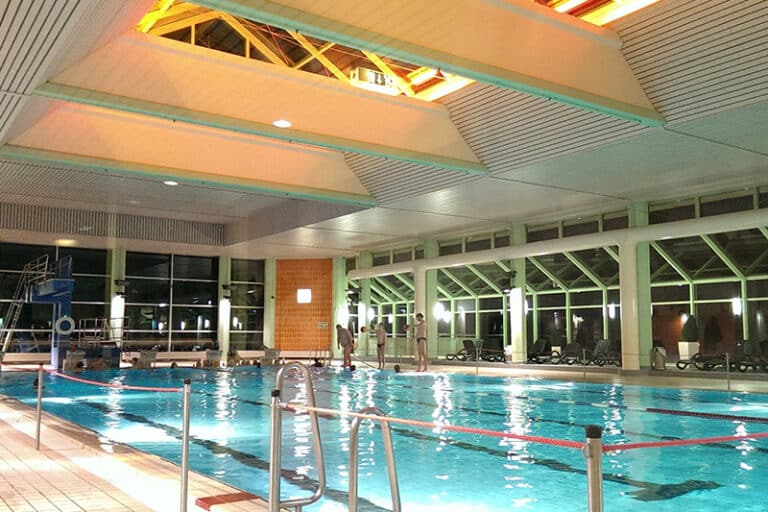
Running a commercial pool isn’t like maintaining a backyard oasis. We’re talking about thousands of gallons of water, hundreds (sometimes thousands) of daily swimmers, and strict health codes that can shut you down if you’re not careful. The difference between a well-maintained commercial pool and a problematic one often comes down to one thing: having the right equipment.
At The Aqueous Solution, we’ve spent years helping commercial pool operators across metro Denver and the Front Range of Colorado keep their facilities safe, clean, and compliant. And if there’s one lesson we’ve learned, it’s that cutting corners on equipment always costs more in the long run, whether that’s through failed inspections, emergency repairs, or unhappy patrons.
So what does it actually take to maintain a commercial pool properly? Let’s walk through the essential equipment every facility needs, from water testing tools to circulation systems and everything in between.
Water Testing and Chemical Management Tools
Water quality is non-negotiable in commercial pool operations. Unlike residential pools where testing once a week might suffice, commercial facilities often require testing multiple times per day. The equipment you use for this makes a huge difference in accuracy, efficiency, and eventually, swimmer safety.
Digital Testing Devices
Gone are the days when color-matching test strips were your only option. While test strips and liquid reagent kits still have their place (and we carry plenty of both), electronic pocket meters have become indispensable for commercial operators who need precise, reliable readings fast.
Digital testers measure parameters like pH, chlorine levels, total dissolved solids, and ORP (oxidation-reduction potential) with far greater accuracy than the human eye trying to match colors on a chart. They’re especially valuable for high-traffic pools where chemical levels can swing dramatically throughout the day.
That said, we always recommend having backup testing methods available. DPD tablets and liquid reagents remain industry standards for verification, and sending periodic samples to testing labs ensures your digital equipment stays calibrated correctly. A comprehensive water testing program uses multiple methods, not because any single one is unreliable, but because redundancy protects you when it matters most.
Chemical Dispensing Systems
Manually dosing chemicals into a commercial pool is a bit like trying to fill a bathtub with a teaspoon, technically possible, but wildly impractical. Modern commercial pools rely on automated chemical feeders and dosing systems to maintain consistent water chemistry.
Chlorinators handle sanitizer distribution, while liquid feeders manage pH adjusters and other treatment chemicals. These systems connect to chemical tanks that store bulk chemicals safely and feed them into the pool at controlled rates. The best setups integrate with automation systems that monitor water chemistry in real-time and adjust dosing automatically.
We’ve seen facilities cut their chemical costs by 20-30% simply by switching from manual dosing to properly calibrated automated systems. The consistency is better, the waste is lower, and your staff spends less time wrestling with chemical buckets.
For sanitization, you’ve also got options beyond traditional chlorine. UV systems, salt chlorine generators, ozone, and AOP (Advanced Oxidation Process) systems offer alternative or supplementary sanitization approaches. Each has its place depending on your facility’s needs, budget, and local regulations.
Cleaning and Filtration Equipment
Crystal-clear water doesn’t happen by accident. It takes a combination of physical cleaning, debris removal, and robust filtration working together around the clock. Here’s what that looks like in practice.
Manual Cleaning Tools
Even with the best automation, you’ll never fully escape manual cleaning duties. Telescoping poles, skimmer nets, brushes, and vacuum accessories remain staples of daily pool maintenance. Commercial-grade equipment differs from residential versions in durability and reach, we’re talking aluminum poles that extend 16 feet or more, reinforced nets that can handle heavy debris loads, and brushes designed to scrub thousands of square feet of pool surface.
Manual tools handle what automation can’t: scrubbing tile lines, cleaning around ladder rails, removing debris that settles in corners, and addressing problem spots before they become bigger issues. Quality matters here. Cheap poles bend, flimsy nets tear, and worn brushes scratch surfaces instead of cleaning them.
Automatic Pool Cleaners
Automatic cleaners take the grunt work out of floor and wall maintenance. For commercial applications, you’ll typically choose between suction-side cleaners, pressure-side cleaners, and robotic units. Each has advantages depending on pool size, shape, and debris type.
Robotic cleaners have gained serious ground in commercial settings because they operate independently of your filtration system, reducing strain on pumps and filters. They’re programmable, energy-efficient, and increasingly sophisticated in their coverage patterns. The upfront investment is higher, but operational costs tend to be lower over time.
Filtration System Components
Your filtration system is the heart of water clarity. Commercial pools generally use one of three filter types: sand filters, cartridge filters, or DE (diatomaceous earth) filters.
Sand filters are workhorses, durable, low-maintenance, and effective for large volumes of water. They require backwashing rather than replacement and can last for years with proper care. Cartridge filters offer finer filtration and are easier to service, though the cartridges themselves need periodic replacement. DE filters provide the finest filtration of all, capable of removing particles down to 3-5 microns, but they require more hands-on maintenance.
Beyond the filters themselves, you’ll need quality filter media, flow meters and gauges to monitor system performance, and the plumbing infrastructure to support everything. That means Schedule 40 or Schedule 80 PVC pipes, appropriate valves (butterfly, ball, check, and true union varieties), flex PVC, fittings, and connectors. We stock the full range because commercial pool plumbing isn’t one-size-fits-all.
Pumps and Circulation Systems
If filtration is the heart of water clarity, pumps are the circulatory system that keeps everything moving. Proper circulation ensures chemicals distribute evenly, debris reaches the skimmers and drains, and water passes through filtration frequently enough to stay clean.
Commercial pool pumps are sized based on pool volume, turnover rate requirements, and total dynamic head (the resistance the pump has to overcome). Health codes typically mandate that commercial pools turn over their entire water volume within a specific timeframe, often 6 to 8 hours depending on pool type and local regulations. Undersized pumps can’t meet these requirements: oversized pumps waste energy and accelerate equipment wear.
Variable-speed pumps have become increasingly popular for commercial applications. They let you dial in exactly the flow rate you need rather than running at full power constantly. The energy savings are substantial, sometimes 50% or more compared to single-speed alternatives. Given that pumps often represent the largest electrical load in pool operations, this adds up quickly.
Beyond the pumps themselves, circulation systems include strainers (which protect pumps from debris), replacement motors for when the originals wear out, pump seals and parts for routine maintenance, and various accessories that keep everything running smoothly. We recommend keeping common replacement parts on hand: waiting for a motor to ship while your pool sits closed isn’t a position you want to find yourself in.
Pipe sizing, valve placement, and overall system design all affect circulation efficiency. Poor plumbing creates dead spots where water stagnates and algae thrives. Good design ensures water moves through every corner of the pool basin.
Safety and Compliance Equipment
Commercial pools operate under regulatory frameworks that residential pools simply don’t face. Health departments conduct inspections, insurance companies assess liability, and ADA requirements dictate accessibility standards. Your equipment choices play directly into all of these.
First, let’s talk about entrapment prevention. Federal law (the Virginia Graeme Baker Pool and Spa Safety Act) requires specific drain covers and suction-limiting systems to prevent swimmer entrapment. Compliance isn’t optional, it’s a legal mandate with serious consequences for violations.
Emergency equipment is equally critical. Reaching poles, ring buoys, first aid kits, and AED devices should be readily accessible and regularly inspected. Signage indicating pool depth, rules, and emergency procedures must meet local codes.
Chemical storage and handling equipment falls under safety requirements too. Proper chemical tanks, secondary containment systems, ventilation for chemical storage areas, and appropriate personal protective equipment for staff all factor into safe operations. Chemicals like bulk sodium hypochlorite (bleach) require specific storage conditions and handling protocols.
Flow meters and gauges aren’t just operational tools, they’re compliance tools. Inspectors often check flow rates to verify that filtration and circulation meet code requirements. Having accurate, easily readable gauges makes inspections smoother and helps you catch problems before inspectors do.
We work with commercial operators throughout the Denver metro area who need to meet Colorado health department standards. The equipment requirements can feel overwhelming, but breaking them down into categories, sanitization, circulation, safety, accessibility, makes compliance manageable.
Maintenance Scheduling and Record-Keeping Tools
Equipment is only as good as the maintenance behind it. Commercial pool operations generate mountains of data, chemical readings, equipment run times, maintenance tasks, inspection results, and keeping track of it all is both a practical necessity and a regulatory requirement.
Most health departments require commercial pools to maintain detailed logs of water chemistry readings, typically recorded multiple times daily. These records prove you’re actively managing water quality and provide documentation if questions arise later. Paper logs work, but digital record-keeping systems are becoming standard for larger operations. They’re easier to search, harder to lose, and simpler to share with inspectors or auditors.
Scheduling tools help ensure preventive maintenance actually happens. Pump motors need lubrication. Filters need cleaning or replacement. Calibration checks on testing equipment need to happen regularly. It’s easy for these tasks to slip through the cracks when you’re focused on daily operations, until something fails.
Inventory management deserves attention too. Running out of sanitizer on a Friday afternoon is a crisis. Running out of a specific O-ring for a pump seal can shut down your pool just as effectively. Smart operators track chemical consumption, identify seasonal patterns, and maintain appropriate stock levels. Working with a reliable commercial pool supply company that offers delivery services, like we do across metro Denver and the Front Range, can take some of this burden off your shoulders.
The unglamorous truth about commercial pool maintenance is that consistency matters more than heroics. Regular testing, scheduled maintenance, detailed records, and proactive equipment replacement prevent the emergencies that disrupt operations and drain budgets.
Conclusion
Commercial pool maintenance demands more than good intentions, it requires the right equipment, properly maintained and thoughtfully deployed. From water testing devices and chemical feeders to filtration systems and circulation pumps, each piece plays a specific role in keeping your facility safe, compliant, and inviting for swimmers.
The operators who succeed long-term are the ones who invest in quality equipment upfront, maintain it religiously, and build relationships with suppliers who understand commercial pool requirements. They don’t scramble for chemicals at the last minute or wonder why their filtration isn’t performing, they’ve built systems that work.
At The Aqueous Solution, we’ve made it our business to supply commercial pool operators with everything they need: bulk chemicals, testing equipment, pumps, filters, plumbing components, and the expertise to use them correctly. Our consulting, chemical dosing, and delivery services throughout metro Denver and the Front Range exist because we know running a commercial pool is complicated enough without chasing down supplies.
If you’re looking to upgrade your equipment, fill gaps in your inventory, or simply want advice on optimizing your maintenance program, we’re here to help. Every problem has an Aqueous Solution.